Our story
Every wildlife rehabilitator was seeing one small piece of a much larger picture.
The Wild Neighbors Database Project began with two wildlife rehabilitators, one clinic, and a hunch: that if wildlife rehabilitators could record what they saw using a shared system, their observations could reveal patterns no single organization could see alone.
How we got here
From one clinic's need to a global network
Rachel Avilla and Devin Dombrowski have been wildlife rehabilitators since 2003. Caring for patients day after day, they kept running into the same wall: records on paper, in binders, in spreadsheets, impossible to search, impossible to compare, impossible to share. And they realized every clinic they knew was stuck in the same place. Each one was seeing a sliver of wildlife health. Nobody was seeing the whole.
They needed a database that was simple enough for a one-person home clinic and scalable enough for a large facility. They couldn't find a system that met those needs, so in 2010 they began building one.
After beta testing in 2012, the Wildlife Rehabilitation Medical Database (WRMD) launched in 2013. That same year they incorporated The Wild Neighbors Database Project as a nonprofit and ran their first Kickstarter to keep it free for wildlife rehabilitators.
The idea travelled. In 2013 the Oiled Wildlife Care Network at UC Davis asked for a version built for oil-spill response, and OWRMD was born. In 2016, WildAlert turned the network's records into an early-warning system for wildlife disease and mortality events. In 2024, Ceto brought the Gulf of Mexico's marine mammal stranding network onto one shared database.
Today more than 2,500 organizations in 50+ countries, and over 5,000 wildlife professionals, record care on the network. Together, those records strengthen our ability to characterize wildlife health patterns across species, places, and time.
- 2003Rachel and Devin begin as wildlife rehabilitators and see the bigger picture.
- 2010WRMD development begins; beta testing in 2012.
- 2013WRMD launches. The nonprofit incorporates. First Kickstarter.
- 2013OWRMD built with the Oiled Wildlife Care Network (UC Davis).
- 2016WildAlert launches, using wildlife rehabilitation data to identify unusual patterns in morbidity and mortality.
- 2024Ceto launches for the Gulf of Mexico marine mammal stranding network.
- Today2,500+ organizations · 50+ countries · 5,000+ users around the world.
Our mission
We harness wildlife data, transforming it into shared intelligence that protects animals, people, and the planet we share.
Our vision
We envision a future where the story told by wildlife data leads to healthier ecosystems, stronger communities, and a more sustainable world.
Our people
A small team behind a very large purpose
Wildlife rehabilitators, engineers, epidemiologists and communicators, most of whom have held a wild animal in their hands.
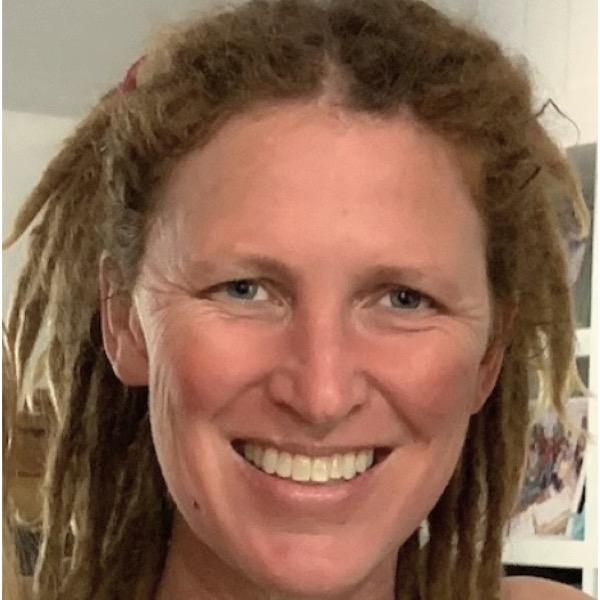
Rachel Avilla
Co-Founder & Executive DirectorA wildlife rehabilitator who turned one clinic's need into a network, and still answers the phone when a clinic needs help.
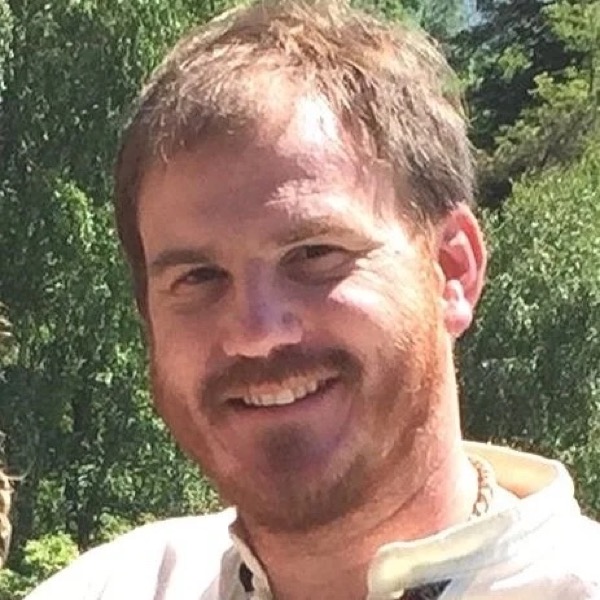
Devin Dombrowski
Co-Founder, Treasurer & Lead DeveloperBuilds the tools. Every screen in WRMD started as a problem he saw at an intake table.
Misty Libby
User Engagement & Operations ManagerKeeps 2,500 organizations supported and the organization running.
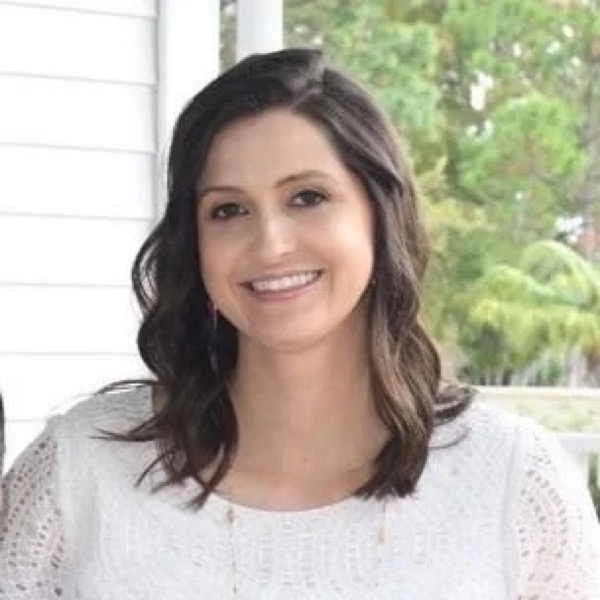
Brittany Mead
Development & Communications ManagerTells the network's story and grows the support that keeps WRMD at little to no cost.
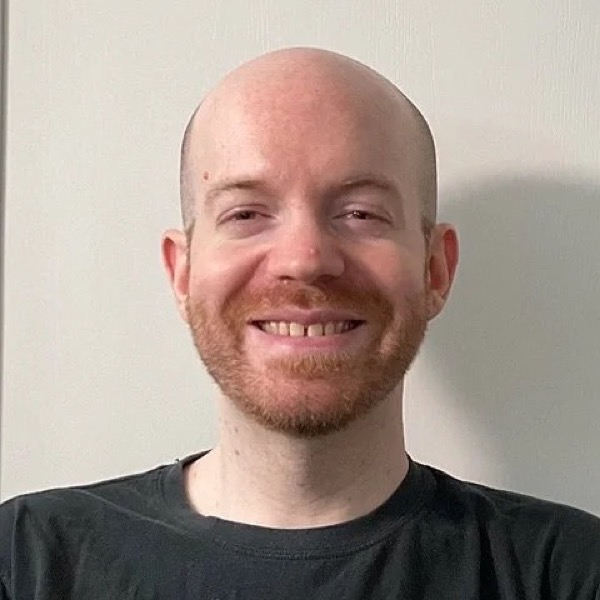
Tommy Bolger
Fullstack Web Software EngineerMakes the platform faster, sturdier and ready for the next million records.
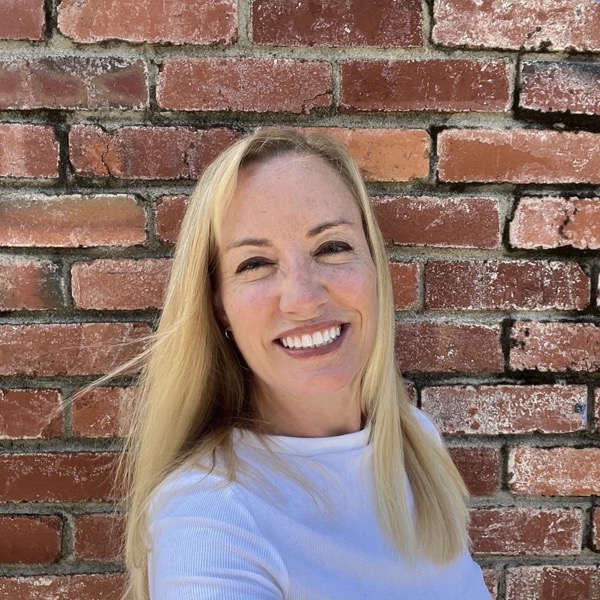
Alison Hermance
Communications & User Engagement ConsultantHelps the network speak with one voice to wildlife rehabilitators, donors and the public.
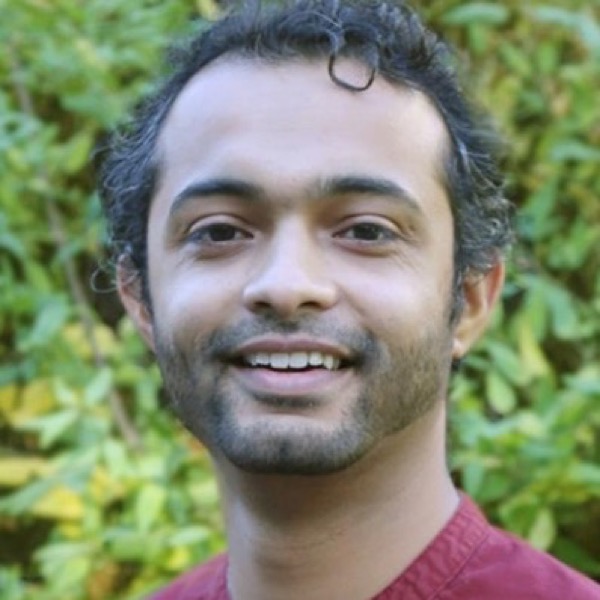
Pranav Pandit, BVSc, MPVM, PhD
One Health EpidemiologistTurns records into signals: the science behind WildAlert.
Gina Ionin
Volunteer Product DesignerMakes the tools feel simple for the people using them at 2 a.m.
Ollie Alberry
VolunteerGives time so the network can offer WRMD at little to no cost.
Emily Brunner
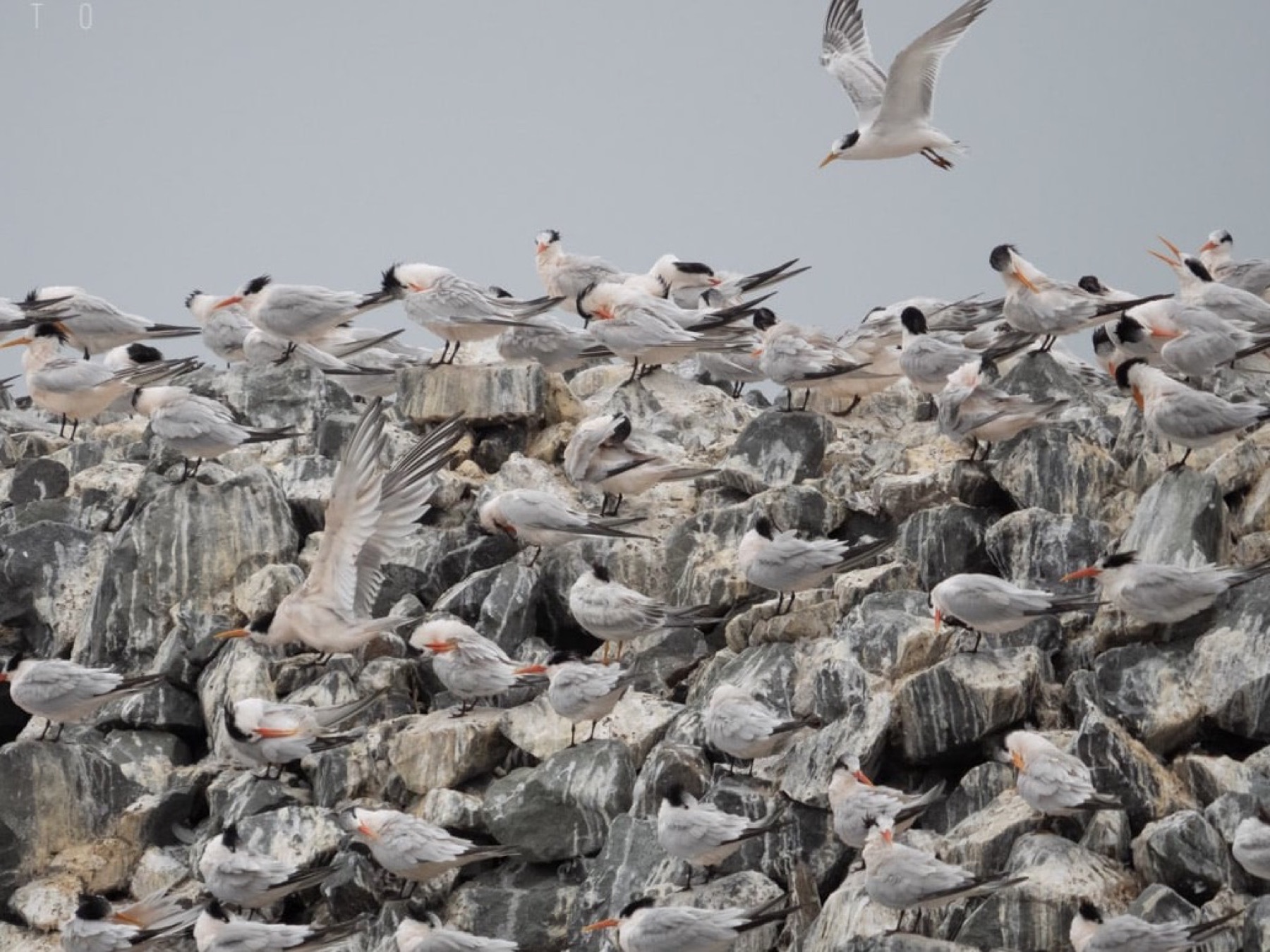
Logo DesignerGave the network its face: the tern and globe on everything we make.
Board of directors
Governance with field experience
Rachel Avilla
Co-Founder & Executive DirectorA wildlife rehabilitator who turned one clinic's need into a network, and still answers the phone when a clinic needs help.
Devin Dombrowski
Co-Founder, Treasurer & Lead DeveloperBuilds the tools. Every screen in WRMD started as a problem he saw at an intake table.
Doris Duncan
Board Member at LargeNonprofit management and large-carnivore specialist.
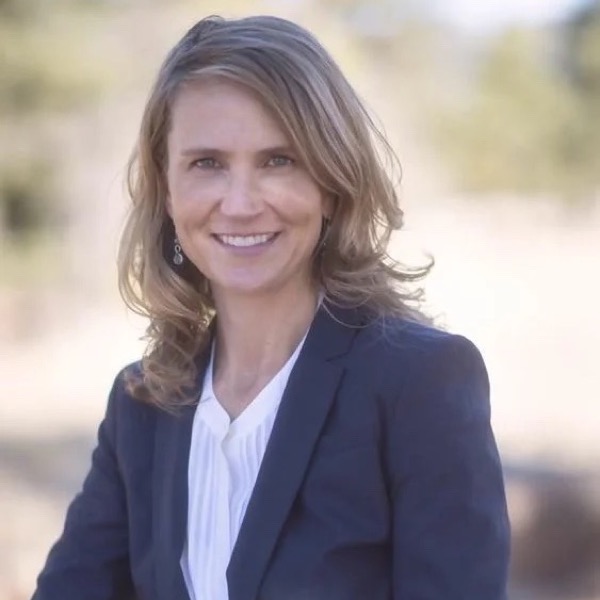
Terra Kelly, DVM, PhD, Dipl. ACZM
Board Member at LargeEpidemiologist and wildlife health specialist.
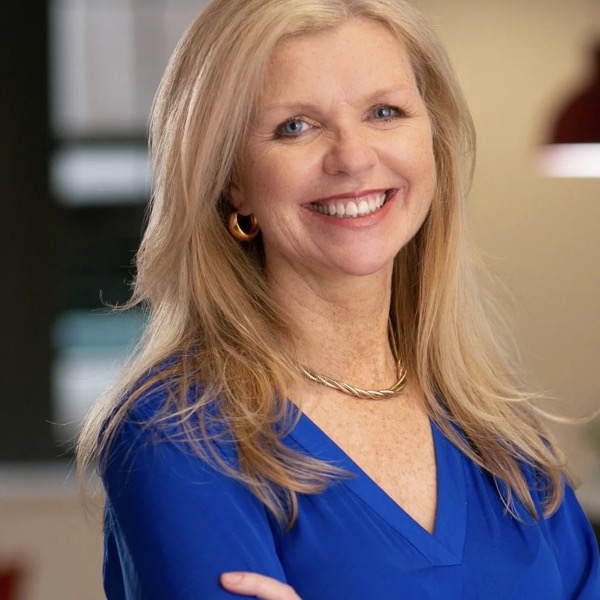
Carolyn Nash
Board Member at LargeBrings a lifetime of commitment to wildlife and the organizations that care for it.
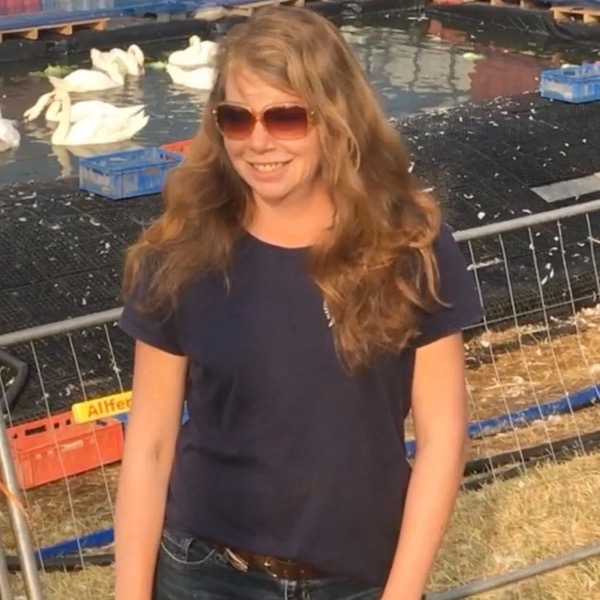
Marie Travers
Board SecretaryMarine bird and oil spill specialist.
Partnerships
Every new partner makes the data more valuable
Agencies, universities, associations, nonprofits, and companies that collaborate with us through development, implementation, research, training, and outreach.
State agencies
Federal partners
Universities & research


Rehabilitation associations
Technology partners
These companies donate or discount the software that keeps the network running.
Become a partner
Our shared goal is to place wildlife first responders at the center of conversations about ecological science, climate change, and disease monitoring.— The Wild Neighbors Database Project partnership statement
If your agency, university, or organization is looking for better ways to use wildlife health data, let’s talk about what we can build together.
Accountability
Trusted with the data. Trusted with your gift.
The Wild Neighbors Database Project is a U.S. 501(c)(3) nonprofit, EIN 46-3151740. We publish an annual impact report and are glad to share financials on request.
Help us see the whole picture.
Your gift keeps the tools accessible for the people on the front line of wildlife health, and keeps every record they enter working for wildlife.