Impact at a glance
What the network has made possible
More than a decade of wildlife care, recorded together, now supports surveillance, research, and better wildlife care.
Outcomes
Four ways the data protects wildlife
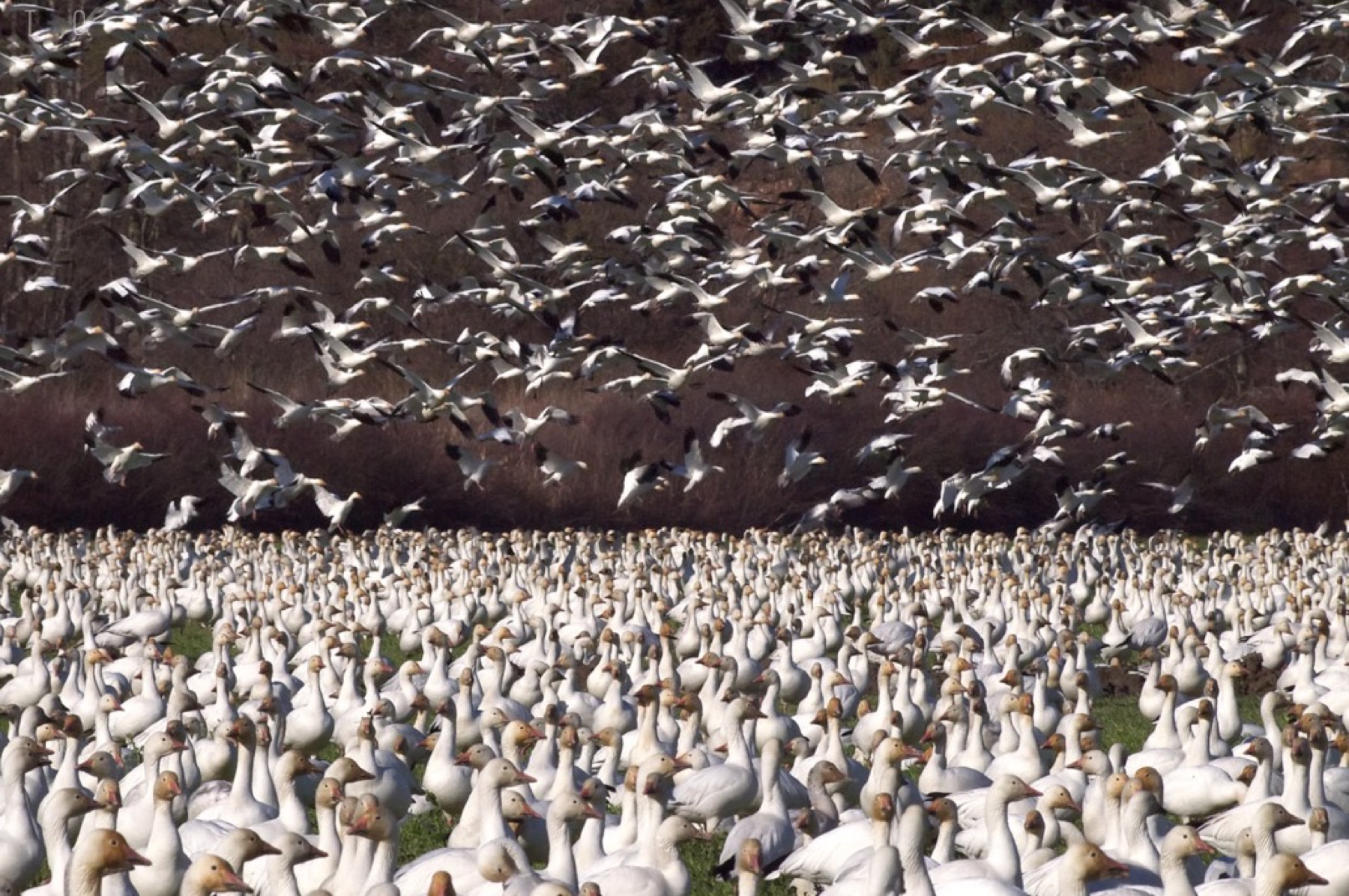
 Wildlife saved
Better care, patient by patient
5,000+ wildlife professionals use WRMD to track treatment and outcomes, so every clinic learns faster from its own cases and those of its peers.
 Early warning
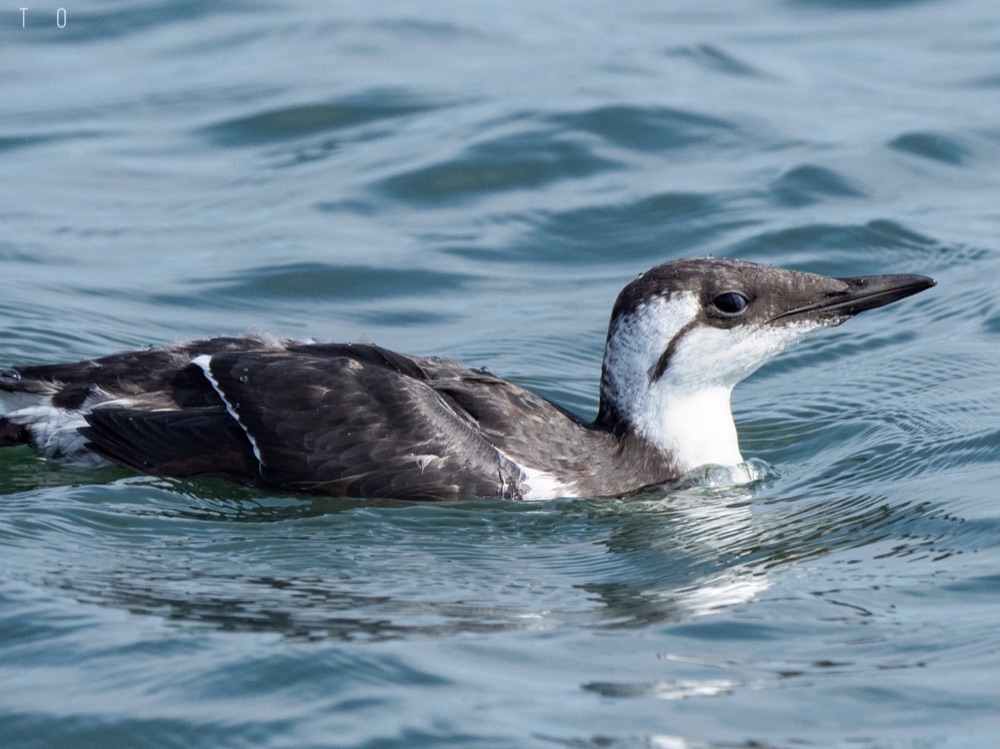
Earlier signals of emerging threats
WildAlert flagged unusual patterns in wildlife admissions that subsequent investigation linked to harmful algal blooms, highly pathogenic avian influenza, and canine distemper virus.
 Discovery
Research that wasn't possible before
Network data helped document the spread of pigeon paramyxovirus in invasive doves. It is one of many studies the dataset now makes possible.
 Better decisions
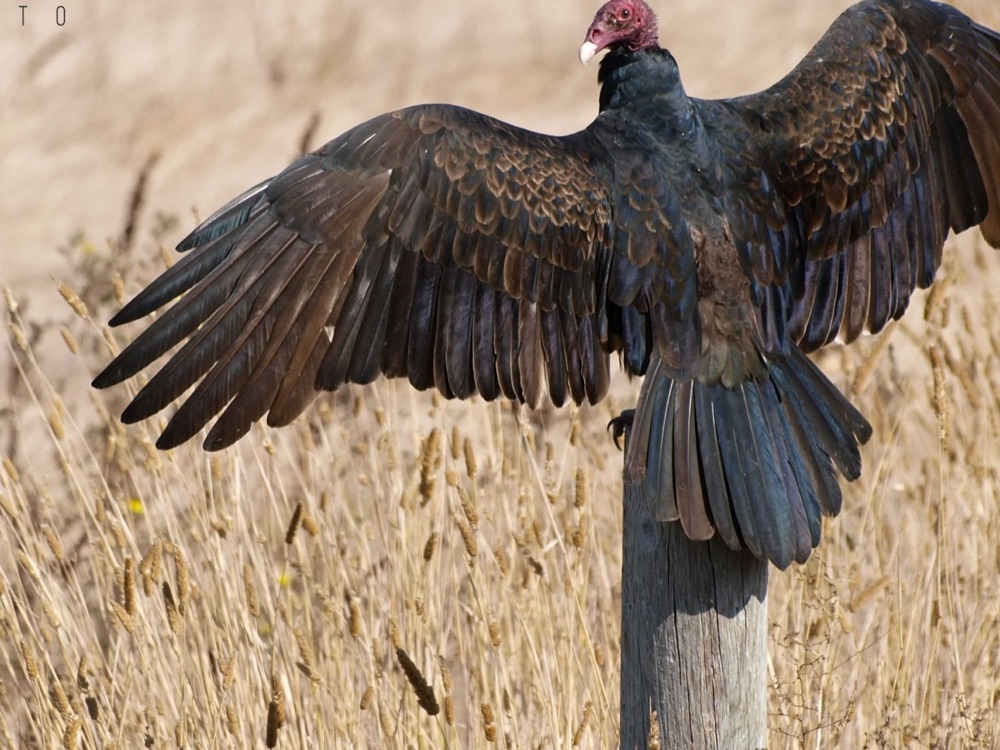
Agencies acting on live data
Seven state wildlife agencies use WildAlert monitoring to identify emerging concerns for investigation, and response.
Accountability
Annual & impact reports
Where the support goes, and what it made possible, in full.
2025 Impact Report
The year WRMD 4.0 shipped, and a year of records, reach and early warnings.
Read the report (PDF) Archive2024 Impact Report
The year Ceto launched, bringing the Gulf of Mexico marine mammal stranding network onto one shared database.
Read the report (PDF) Archive2023 Impact Report
The year WRMD admitted its three millionth patient and WildAlert reached its first three states.
Read the report (PDF)
Help us see more of the story.
Your support helps transform millions of wildlife records into knowledge that can reveal emerging threats, inform action and make a difference for wildlife.