One mission · four projects · one network
The Wild Neighbors Database Project ecosystem
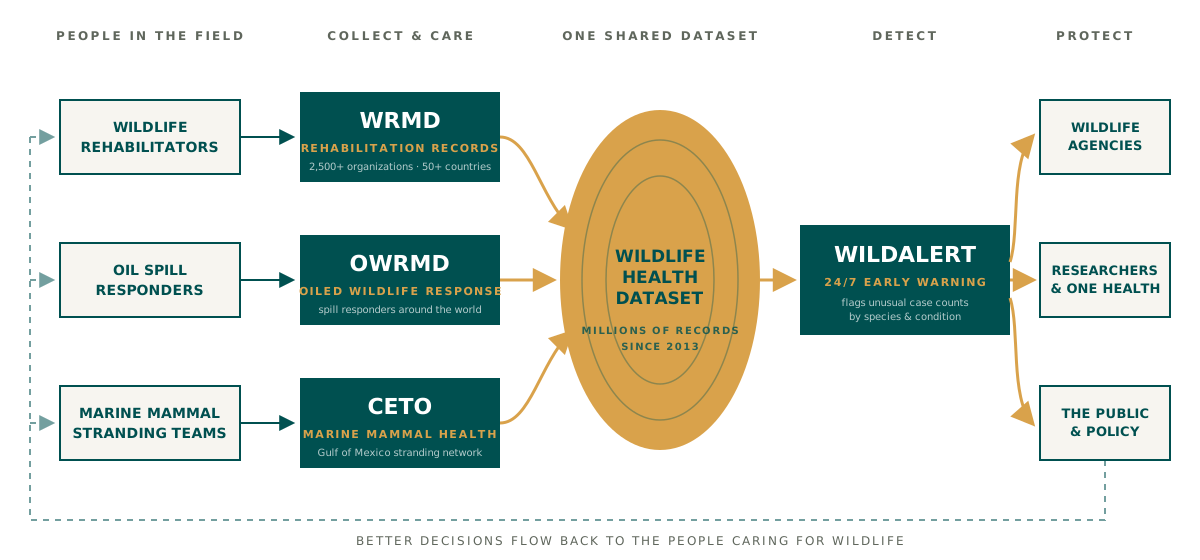
Every platform we build feeds the same growing body of wildlife health knowledge, and draws from it. Together they turn daily care into shared intelligence.
How it fits together
From one patient to the whole picture
The projects
Four projects, one connected data network
 Collect & care
WRMD
Medical records for wildlife rehabilitation at little to no cost, used by 2,500+ organizations in 50+ countries and five languages.
Explore WRMD Respond
OWRMD
Oil-spill medical records built with the Oiled Wildlife Care Network at UC Davis, ready to deploy within hours.
Explore OWRMD Monitor & record
Ceto
Health and stranding data for the Gulf of Mexico marine mammal network, with NOAA and NFWF.
Explore Ceto Detect & warn
WildAlert
Watches the network 24/7 and flags unusual disease and mortality events. Live since 2016, available in seven states.
Explore WildAlertHow the pieces fit
Three steps from care to protection
Care is recorded once, the same way
WRMD, OWRMD and Ceto give wildlife rehabilitators, responders and stranding teams systems built for their work, and a shared standard.
The network is watched around the clock
WildAlert compares incoming case counts with expected patterns by species or taxonomic group, clinical classification, location, and time. Unusual increases are flagged for review.
People act on what the data shows
Agencies, researchers, and participating organizations can use these signals to support investigation and response.
Want your organization on the network?
WRMD is available to wildlife rehabilitators at little to no cost and it's ready in minutes. Agencies and research partners? We'd love to talk!