For more than a decade, we've been working toward a vision: a future where the information collected while caring for individual wild animals can help us better understand and protect wildlife on a much larger scale.
Today, we're taking a major step toward making that vision a reality.
For the first time, wildlife rehabilitators using Wildlife Rehabilitation MD (WRMD) will be able to compare their own wildlife health patterns with broader trends across their state.
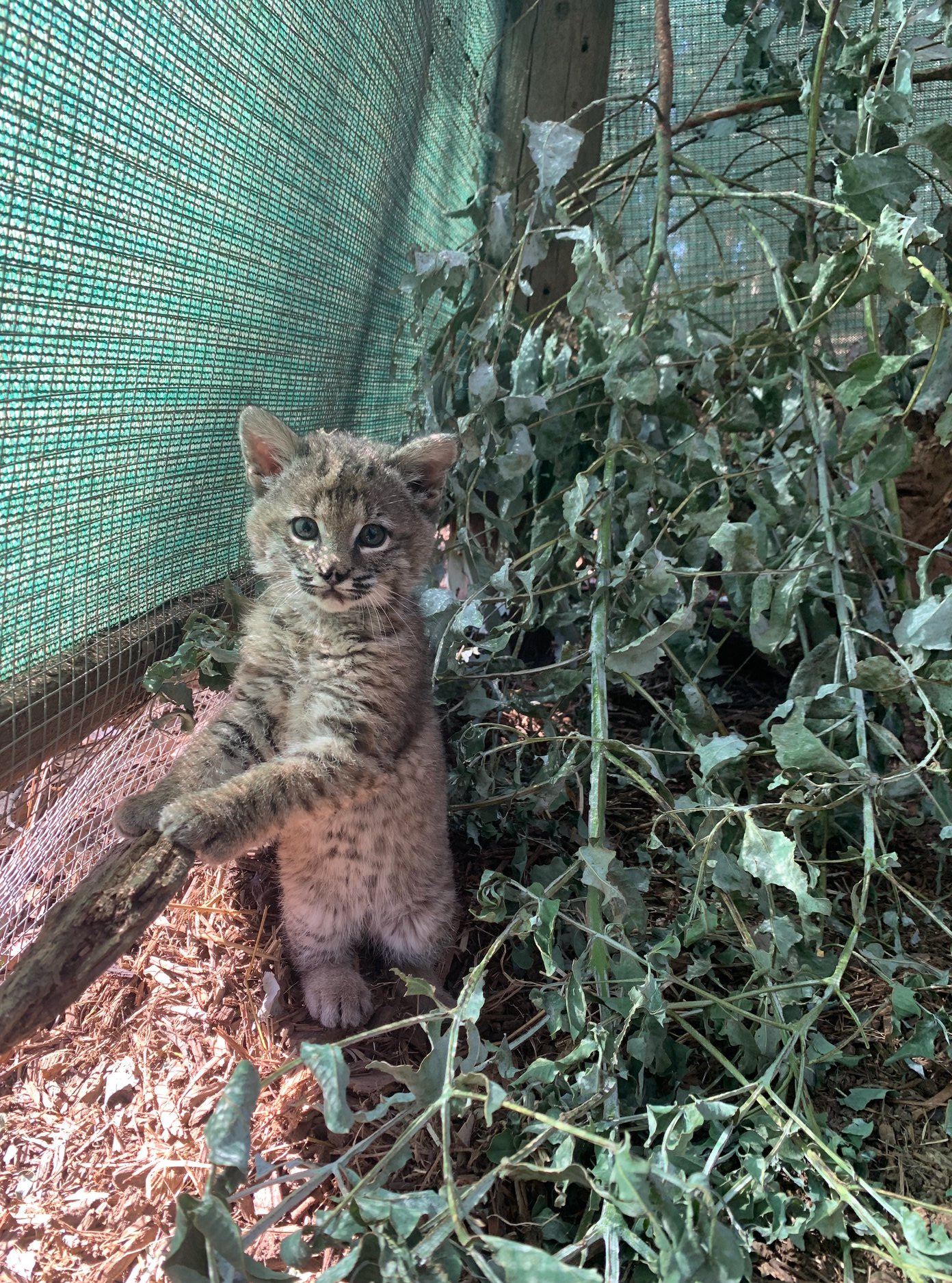
A juvenile bobcat in care at Sonoma County Wildlife Rescue
Through a new integration with WildAlert, participating WRMD organizations in California, Florida, Pennsylvania, Washington, and Arizona now have access to dashboards that bring this information directly into the platform they already use every day.
Why does this matter?
Imagine a wildlife rehabilitation center begins admitting an unusual number of juvenile bobcats. Is this an isolated event, or are other centers seeing something similar?
With the new WildAlert dashboard, rehabilitators can explore that question by comparing their own admission patterns with summarized data from other participating organizations across their state. They can explore trends in species, injuries, illnesses, and patient outcomes, and view alerts that may signal unusual wildlife health activity.
These comparisons use summarized, anonymized data, protecting individual patient records and sensitive organizational information.
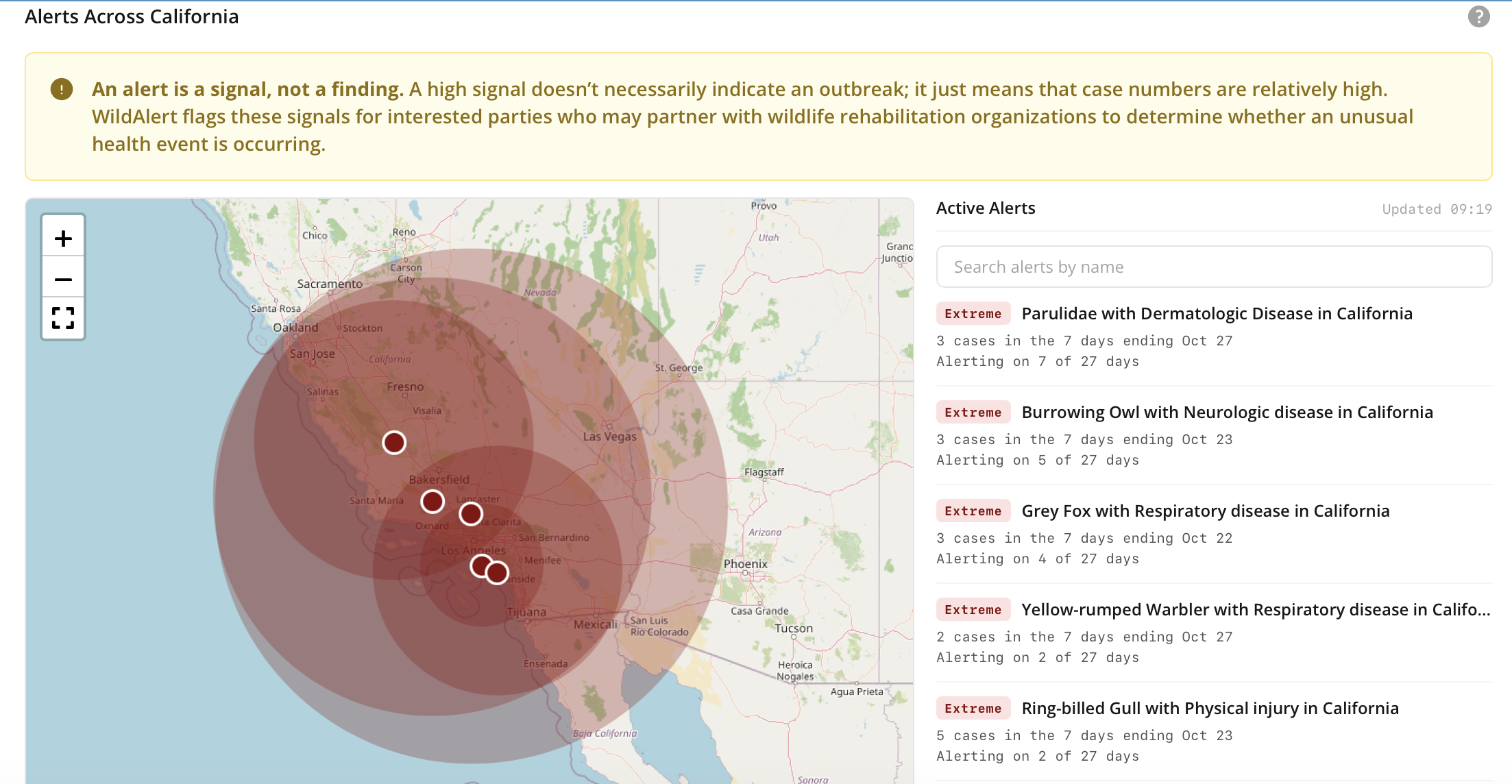 WildAlert identifies unusual wildlife health patterns across California.
Alerts signal activity that may warrant further investigation.
As WNDP Co-Founder and Senior Software Engineer, Devin Dombrowski shared:
"This simple one-page dashboard represents a major milestone for WRMD. It's something we've been working toward for more than a decade. This anonymized collective data will allow individual facilities to observe and understand trends that will help them better care for current patients and plan for the future."
This is shared intelligence in action.
Individual wildlife records, collected by dedicated professionals, becoming part of a bigger picture that can help us better understand wildlife health.
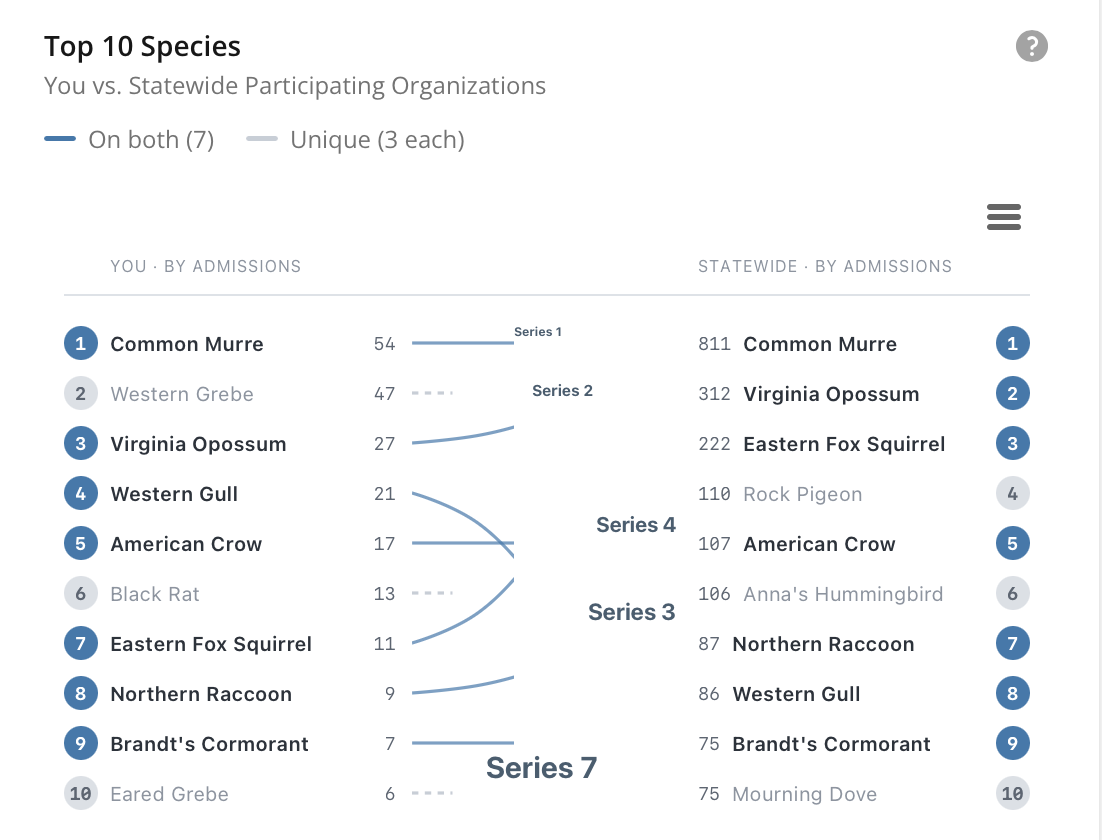 For the first time, participating WRMD organizations can compare their own wildlife admissions with summarized data from other organizations across their state.
This milestone was made possible through the generous support of Noah's Ark Sanctuary and The Capybara Café, whose investment helped bring this long-held vision to life.
And this is just the beginning. With more than 5,000 WRMD users across all 50 states and 51 countries, we see tremendous potential to bring this shared intelligence to wildlife rehabilitators across the country and around the world.
Support The Wild Neighbors Database Project
At The Wild Neighbors Database Project, our mission is to harness wildlife data, transforming it into shared intelligence that protects animals, people, and the planet we share.
Thank you for being part of the community making this progress possible.