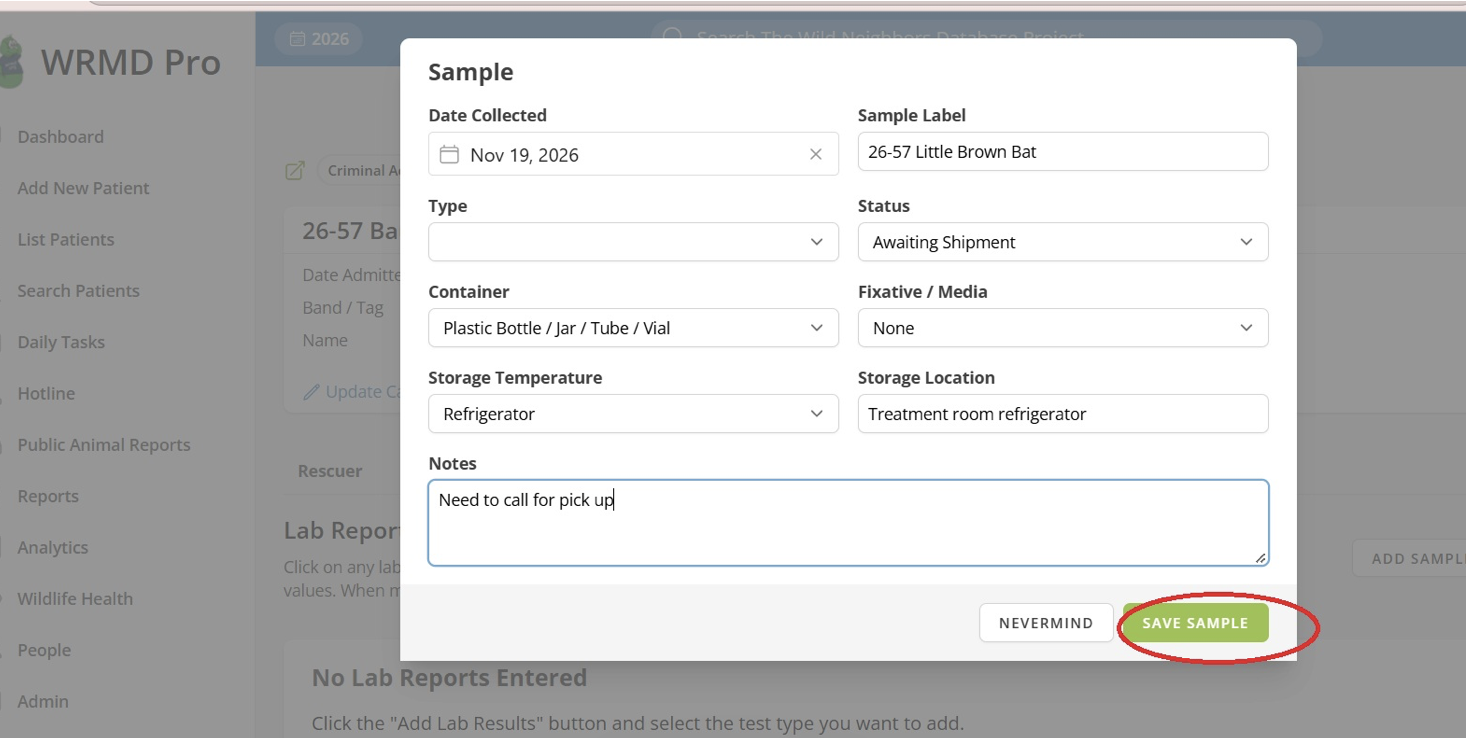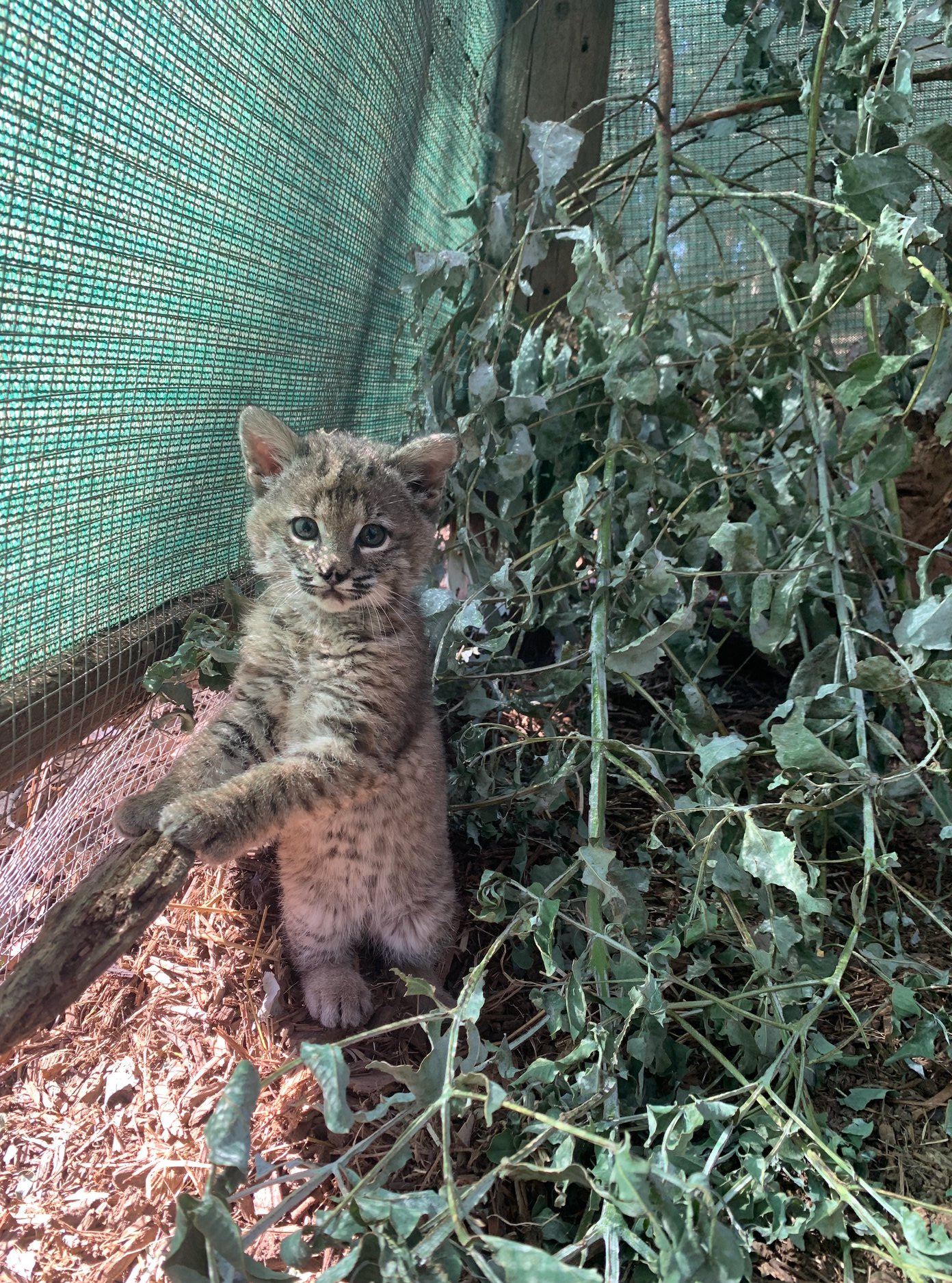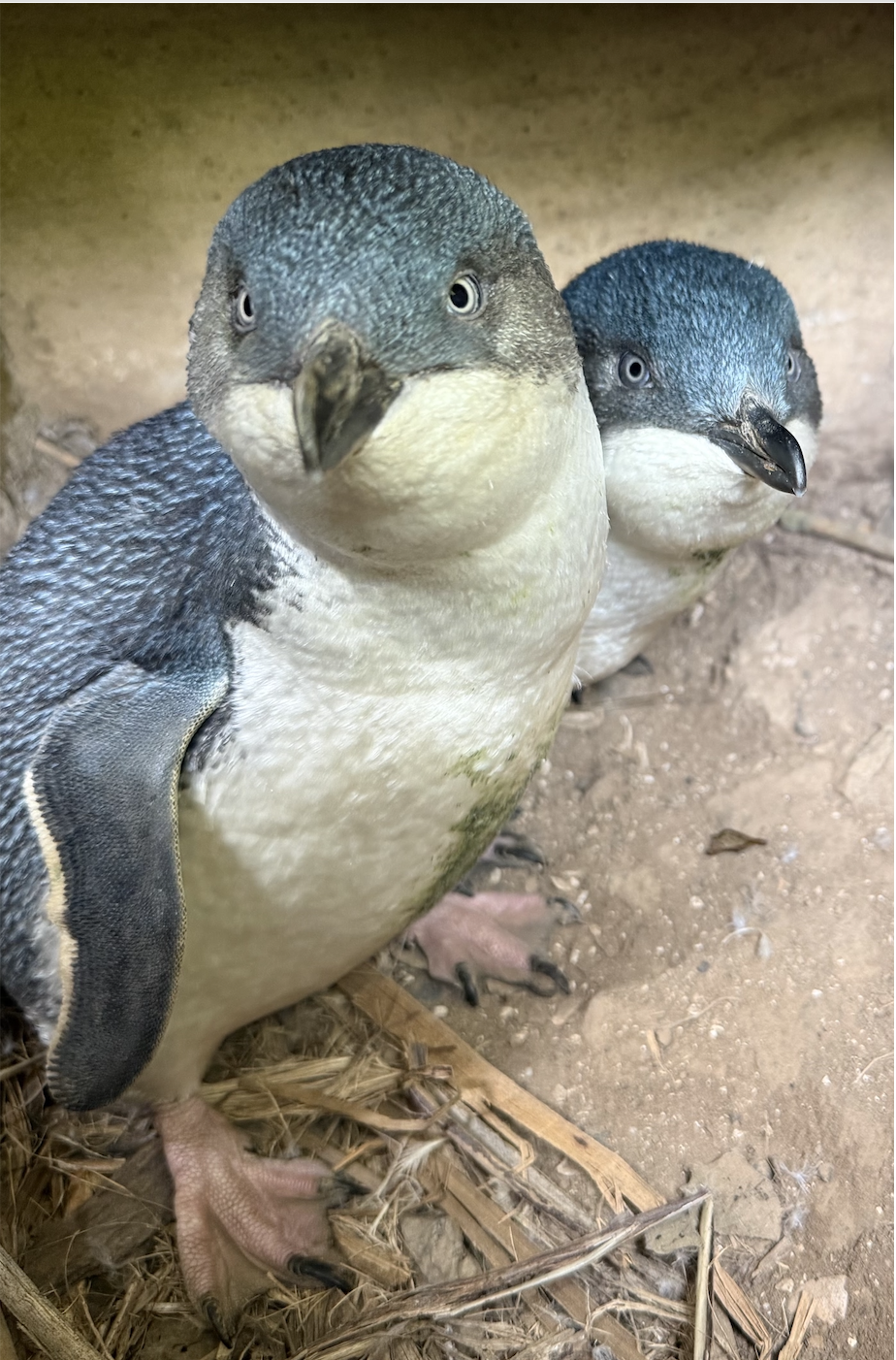
From little blue penguins receiving care in New Zealand to injured wildlife arriving at rehabilitation centers across the United States, wildlife rehabilitators use WRMD every day to document the important care they provide.
This year alone, 302 new accounts have joined WRMD, expanding a global network of rehabilitators whose work can help us better understand wildlife health.
No single clinic sees the whole picture.
But when rehabilitators can compare their own data with aggregated data from other organizations, patterns can emerge that no one could spot alone.
Through the integration of WRMD and WildAlert, rehabilitators in seven U.S. states — Arizona, California, Florida, New Mexico, Pennsylvania, Texas, and Washington — can already do this within their state.
Imagine what could be possible if every rehabilitator using WRMD could access that bigger picture, not only within their state or region but eventually across state and international borders.
That's the future we're working toward at The Wild Neighbors Database Project, the nonprofit behind WRMD.
Building and maintaining these connections requires ongoing investment. Philanthropic support makes this work possible while allowing us to keep our promise of always offering a free version of WRMD.
As Giving Tuesday approaches on December 1, we invite you to support this vision for a more connected future for wildlife.
Connect the Bigger Picture for Wildlife
Thank you for the work you do every day and for being part of this growing global community.